
How to Keep Your Glass Shower Door Looking New in Colorado Springs
By City Glass Company | Colorado Springs Glass & Glazing Specialists since 1950
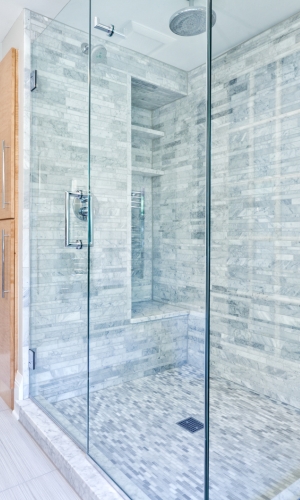
Glass shower doors in Colorado Springs age faster than they do in most parts of the country, and it’s not the doors and it’s not the installation. It’s the water. The Front Range has some of the hardest municipal water in the state, and hard water deposits calcium and magnesium on glass surfaces that, if left long enough, become very difficult to remove. The cloudy, hazy look that people sometimes assume is etching or damage is usually mineral buildup that got ahead of regular cleaning.
Most of it is preventable, and the habits that keep glass shower doors looking good are not complicated once you understand what you’re dealing with.
Why Colorado Springs Water Is Harder on Shower Glass
When water evaporates off a glass surface, the dissolved minerals it was carrying stay behind. Colorado Springs Utilities reports that water hardness in the city regularly measures above 150 mg/L, which falls in the “hard” to “very hard” classification. Water above 120 mg/L is where you start seeing meaningful scale buildup on fixtures and glass surfaces on a noticeable timeline.
Every shower deposits a thin mineral film on your glass. After a week without wiping it down, you have visible spotting. After a few months, the deposits start bonding to the glass and require more than a standard cleaner to address. After a year or more of neglect, the minerals can begin etching the glass surface itself, which is a different problem entirely and one that cleaning won’t fix.
Understanding the timeline helps. The goal is to interrupt the cycle early, before deposits have time to bond.
The Habit That Matters Most
A squeegee, used after every shower, removes water from the glass before the minerals in it have a chance to deposit. It takes about 30 seconds and it is the single most effective maintenance habit you can build. Keep the squeegee inside the shower so using it is the default, not the exception.
Run it top to bottom, overlapping each pass slightly, and wipe the bottom edge and any wall hardware dry with your hand or a small towel afterward. That’s it. For people who won’t squeegee consistently, leaving the bathroom exhaust fan running for 15 to 20 minutes after each shower helps the glass dry faster, which reduces mineral deposit even if it doesn’t eliminate it the way removing the water directly does.
What to Use for Regular Cleaning
A solution of equal parts white vinegar and water in a spray bottle handles weekly cleaning well. Spray the glass, let it sit for two or three minutes, wipe with a microfiber cloth, rinse with clean water, and squeegee or wipe dry. White vinegar is mildly acidic, which helps dissolve calcium carbonate deposits before they have time to fully harden on the surface.
Skip abrasive cleaners and anything with a rough scrubbing pad on frameless or semi-frameless glass. Tempered glass is hard but it can be scratched, and fine scratches give minerals and soap scum more texture to cling to, which makes future cleaning progressively harder. The same care applies to hardware, so use non-abrasive cloths on hinges and brackets, and dry them after cleaning.
For soap scum specifically, dish soap diluted in warm water cuts through the film well without being harsh on the glass or the door seals.
How Do You Remove Hard Water Stains from Shower Glass?
For moderate buildup, a paste of equal parts white vinegar and baking soda applied directly to the glass, left for 10 to 15 minutes, then scrubbed with a soft nylon brush will remove most of what regular weekly cleaning missed. If the vinegar spray alone isn’t cutting through existing deposits, that’s the next step. For heavier buildup that’s been accumulating for months, CLR or Bar Keepers Friend applied carefully per the product instructions will handle what the vinegar paste won’t.
The important caveat: once mineral deposits have been present long enough, they don’t just sit on top of the glass anymore. They begin to etch into the surface. Etching is a permanent change to the glass itself and can’t be cleaned away. If the glass looks hazy even after a thorough cleaning attempt, etching may be the issue. At that point, the glass typically needs to be replaced. This is one of the more compelling arguments for starting the prevention habits early, because remediation has a ceiling.
Protective Coatings and Whether They’re Worth It
Protective coatings applied to shower glass create a hydrophobic surface that causes water to bead and run off rather than spreading and sitting while it evaporates. Two common options are Diamon-Fusion and ShowerGuard, and both are worth understanding if you’re installing a new shower door or replacing an existing one.
Diamon-Fusion is a chemical treatment applied after fabrication. It bonds to the glass surface, carries a lifetime warranty on residential applications, and reduces how much mineral and soap residue adheres over time. It does have a list of cleaning products to avoid, because some aggressive cleaners can degrade the coating, so following the manufacturer’s care guidelines matters. ShowerGuard is manufactured by Guardian Glass and is baked into the glass during production, which makes it more durable over time since it’s part of the glass rather than a topcoat applied afterward. It adds approximately 10 to 15 percent to the glass material cost and also carries a lifetime warranty.
For Colorado Springs bathrooms specifically, either coating is worth factoring into the project budget rather than treating as an optional add-on. City Glass can include either as part of a new shower door installation, and you can ask about it during your estimate or learn more on our glass showers page.
When to Call a Glass Shop
A few situations warrant a phone call rather than a DIY fix. If the door seal or sweep is cracked, shrunken, or no longer making consistent contact with the glass or floor, it needs to be replaced. Colorado’s low humidity dries out rubber and vinyl seals faster than in more humid climates, and a failing sweep means water is escaping the shower and sitting against the floor or wall where you may not see it immediately.
If the hardware feels loose, hinges are stiff, or the door is no longer aligning and swinging cleanly, those are signs that something needs adjustment. Frameless shower hardware is adjustable, and most alignment issues get corrected quickly without replacing any components.
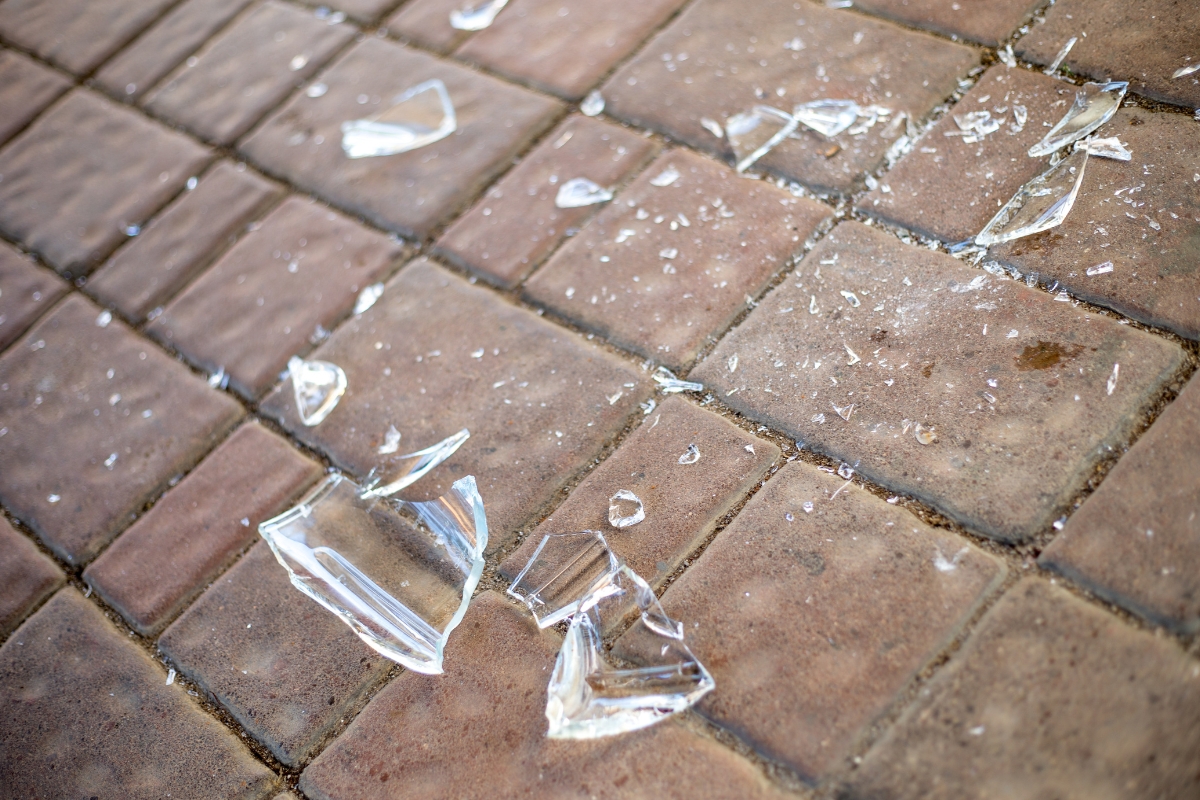
And if the glass has a chip or crack at an edge, treat it as urgent. Tempered glass with edge damage is structurally compromised and should be replaced rather than monitored. City Glass handles glass shower door repair and replacement throughout Colorado Springs and can assess the situation with a site visit before any work is scheduled.
Get your free estimate from City Glass today.